
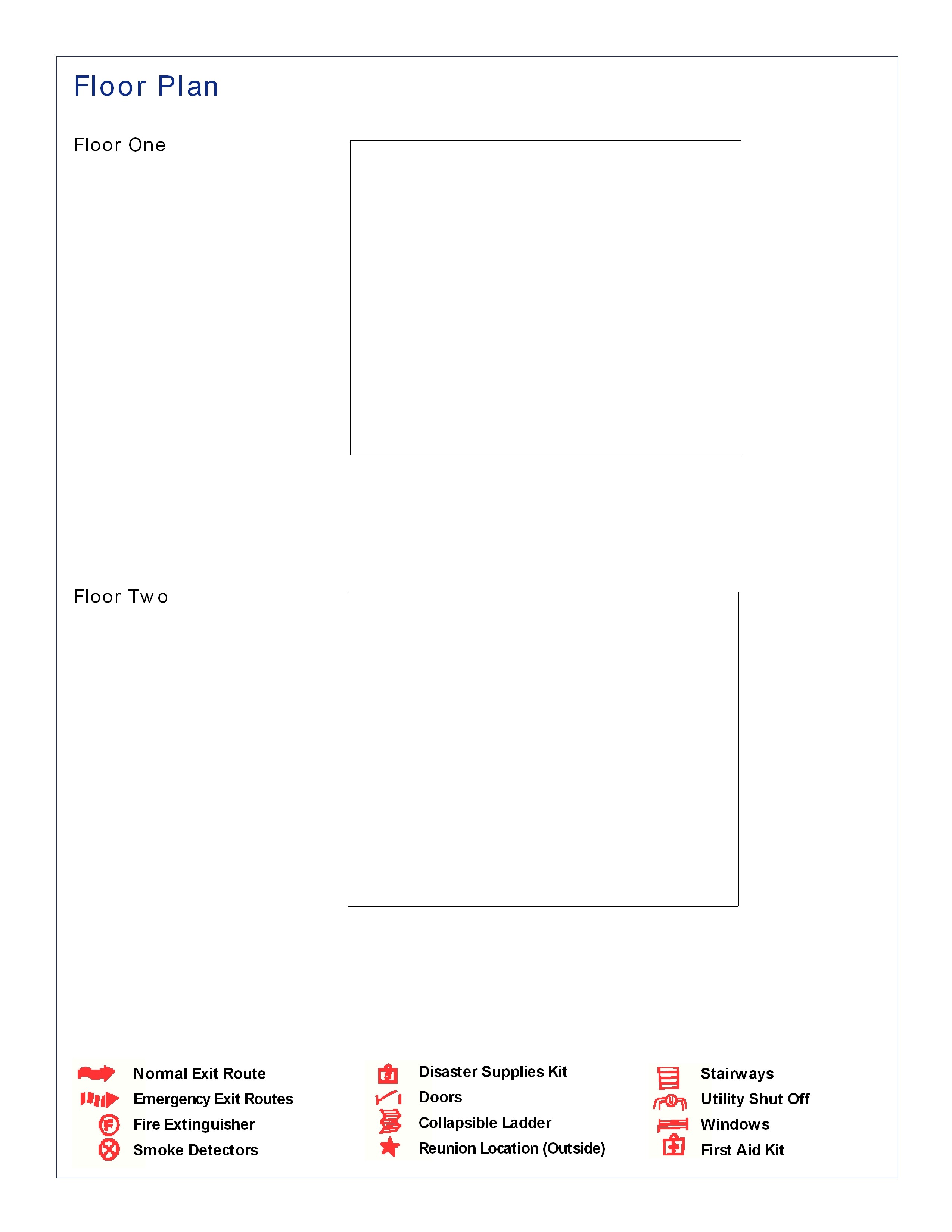
Get ready amaze arrangements prepared that incorporates Normal Exit track, Emergency passageway tracks, Fire Extinguisher, Smoke Detectors, Disaster supplies assortment, Doors, Collapsible Ladder and all crisis things in the Floor arrangements.
PS Emergency Preparedness Checklist (3)
Related posts:
SAS 115 - Reading Weather & Deciding to Move
To be caught in bad weather could prove fatal. Before setting out, take note of the weather. Observe wind and pressure changes. Keep a record of the weather, the conditions which precede it, and what they develop into. Animals are sensitive to atmospheric pressure and are good for short-term weather predictions. Insect-eating birds feed higher in good weather, lower when a storm is approaching. ...
To be caught in bad weather could prove fatal. Before setting out, take note of the weather. Observe wind and pressure changes. Keep a record of the weather, the conditions which precede it, and what they develop into. Animals are sensitive to atmospheric pressure and are good for short-term weather predictions. Insect-eating birds feed higher in good weather, lower when a storm is approaching. ...
SAS 149 - First Aid, Fractures & Shock
During the severe bleeding, loss of body fluids from severe burns or prolonged vomiting or diarrhoea commonly lead to shock. Other causes are electrocution and heart attack.
During the severe bleeding, loss of body fluids from severe burns or prolonged vomiting or diarrhoea commonly lead to shock. Other causes are electrocution and heart attack.
How to Dive
When trying a towering fall into water in a crisis scenario, you should not know much concerning your surroundings, in particular the profundity of the water. This makes hopping absolutely risky.
When trying a towering fall into water in a crisis scenario, you should not know much concerning your surroundings, in particular the profundity of the water. This makes hopping absolutely risky.
SAS 077 - Building Shelter
Atap and other large leaves when thatched make the best roofs and walls for jungle shelters. Look for any plant similarly structured, the bigger and broader the better. Closely layer halves of atap on a roof frame. Walls can be less dense.
Atap and other large leaves when thatched make the best roofs and walls for jungle shelters. Look for any plant similarly structured, the bigger and broader the better. Closely layer halves of atap on a roof frame. Walls can be less dense.
SAS 152 - First Aid & Moving the Injured
During the conscious casuality of the victim, Grasp victim's right wrist. Bend your head under his arm so your shoulder is level with his lower abdomen. Bend your knees, allowing the weight to fall across your shoulders. Place your right arm between or around legs.
During the conscious casuality of the victim, Grasp victim's right wrist. Bend your head under his arm so your shoulder is level with his lower abdomen. Bend your knees, allowing the weight to fall across your shoulders. Place your right arm between or around legs.
SAS 118 - Moving
Negotiating territory at night can be dangerous, but may be necessary. Because it is difficult to see clearly you are easily disorientated. It is always darker among trees, so keep to open country if you can. When looking at an object at night, look at one side rather than directly at it. It is hard to distinguish anything in a dark mass, but edges show clearly.
Negotiating territory at night can be dangerous, but may be necessary. Because it is difficult to see clearly you are easily disorientated. It is always darker among trees, so keep to open country if you can. When looking at an object at night, look at one side rather than directly at it. It is hard to distinguish anything in a dark mass, but edges show clearly.
SAS 025 - Tropical Regions
Along river banks and the edges of the bush daylight does enter to the ground surface and development is productive. Undergrowth achieves statures of 3m in a year. Moving is abate, blazing work, hacking a course with a parang or cleaver.
Along river banks and the edges of the bush daylight does enter to the ground surface and development is productive. Undergrowth achieves statures of 3m in a year. Moving is abate, blazing work, hacking a course with a parang or cleaver.
SAS 142 - First Aid & CPR
For Infants and Children, Use less pressure and more compressions. For a baby or toddler, light pressure with two fingers is enough at 100 compressions per minute. Depress chest only 2.5 cm. Give 5 compressions to one lung inflation.
For Infants and Children, Use less pressure and more compressions. For a baby or toddler, light pressure with two fingers is enough at 100 compressions per minute. Depress chest only 2.5 cm. Give 5 compressions to one lung inflation.
SAS 170 - Dangerous Water Creatures
Protection against Sharks: If you have shark repellent, follow the manufacturer's instructions. It may not befully effective, but even so use only if the situation is very grave. Repellent soon dissipates in the water and becomes ineffective.
Protection against Sharks: If you have shark repellent, follow the manufacturer's instructions. It may not befully effective, but even so use only if the situation is very grave. Repellent soon dissipates in the water and becomes ineffective.
Starting a fire
Experienced campers know how to start a fire without a lighter or matches, but do you ? When lost in the wilderness, being able to make a fire can be a lifesaver, both to signal your location and to use for warmth and cooking.
Experienced campers know how to start a fire without a lighter or matches, but do you ? When lost in the wilderness, being able to make a fire can be a lifesaver, both to signal your location and to use for warmth and cooking.
SAS 153 - First Aid, Emergency Childbirth & Bites
Dangers from infection is the main risk. Anti-tetanus shots and rabies vaccine should be obtained before travelling. Rabies is untreatable without vaccine and almost always fatal.
Dangers from infection is the main risk. Anti-tetanus shots and rabies vaccine should be obtained before travelling. Rabies is untreatable without vaccine and almost always fatal.
SAS 029 - Food
Gathering plants is one of the tedious tasks to identify place for food. Gather plants systematically. Take a container on foraging trips to stp the harvest being crushed, which makes it go off.
Gathering plants is one of the tedious tasks to identify place for food. Gather plants systematically. Take a container on foraging trips to stp the harvest being crushed, which makes it go off.
PS Family Supply Kit (3)
Store your kit in a convenient place known to all family members. Keep a smaller verstion of the Disaster Supplies Kit in the trunk of your car. keep items in air tight plastic bags. Change your stored water supply every six months so it stays fresh.
Store your kit in a convenient place known to all family members. Keep a smaller verstion of the Disaster Supplies Kit in the trunk of your car. keep items in air tight plastic bags. Change your stored water supply every six months so it stays fresh.
SAS 081 - Fire
Tinder is any material that takes only a spar to ignite. Birch bark, dried grasses, wood shavings, bird down, waxed paper, cotton fluff, fir cones, pine needles, powdered dried fungi, scorched or charred cotton arc excellent tinder, as in the fine dust produced by wood burrowing insects and the inside of bird's nests.
Tinder is any material that takes only a spar to ignite. Birch bark, dried grasses, wood shavings, bird down, waxed paper, cotton fluff, fir cones, pine needles, powdered dried fungi, scorched or charred cotton arc excellent tinder, as in the fine dust produced by wood burrowing insects and the inside of bird's nests.
SAS 094 - Camp Tools
Tree Felling: Check overhead for dead branches and hornets nests. Clear Creepers and branches which could deflect blows. Cut branches off from the outside of the join. Cut from both sides of the tree, first chopping out notch at an angle of 45 and another on the opposite side ata lower level on the side to which you want to tree to fall.
Tree Felling: Check overhead for dead branches and hornets nests. Clear Creepers and branches which could deflect blows. Cut branches off from the outside of the join. Cut from both sides of the tree, first chopping out notch at an angle of 45 and another on the opposite side ata lower level on the side to which you want to tree to fall.
SAS 097 - Clothing & Ropes
Taking care of Rope: Rope should be protected from exposure to damp or storing sunlight and if made from natural fibres, from attack by rodents and insects. If it does get wet, do not force dry it in front of a fire. Do not drag it or leave it on the ground. Dirt can penetrate and work away at the fibres.
Taking care of Rope: Rope should be protected from exposure to damp or storing sunlight and if made from natural fibres, from attack by rodents and insects. If it does get wet, do not force dry it in front of a fire. Do not drag it or leave it on the ground. Dirt can penetrate and work away at the fibres.
SAS 112 - Direction Finding & Weather
Weather is much more localised than climate and there can be marked variations between one small area and the next. A regular pattern of day-night change in wind direction suggests a large body of water - whether an ocean, inland sea or a lake - in the direction from which the day wind blows.
Weather is much more localised than climate and there can be marked variations between one small area and the next. A regular pattern of day-night change in wind direction suggests a large body of water - whether an ocean, inland sea or a lake - in the direction from which the day wind blows.
NFPA Rating Guide
The NFPA rating Explanation guide refers to the Ratings about the Health Hazards, Flammability Hazards, Instability Hazards, Rating Symbols and the Special Hazards.
The NFPA rating Explanation guide refers to the Ratings about the Health Hazards, Flammability Hazards, Instability Hazards, Rating Symbols and the Special Hazards.
 Upload your infographic here and contribute to our community.

Leave a Reply